Work & BusinessAnalysis4 min read
Small Business Saturday 2026: Local Shops Plan a Holiday Push
November NRF reports highlight local-shopping interest and budget concerns, drawing on October survey data. Independent retailers have time to prepare clear prices and useful gift choices before November 28.
Analysis of NRF reports published November 4–5, 2026, using October survey data; Small Business Saturday is November 28
Commerce News Network · Published November 9, 2026 · 4 min read
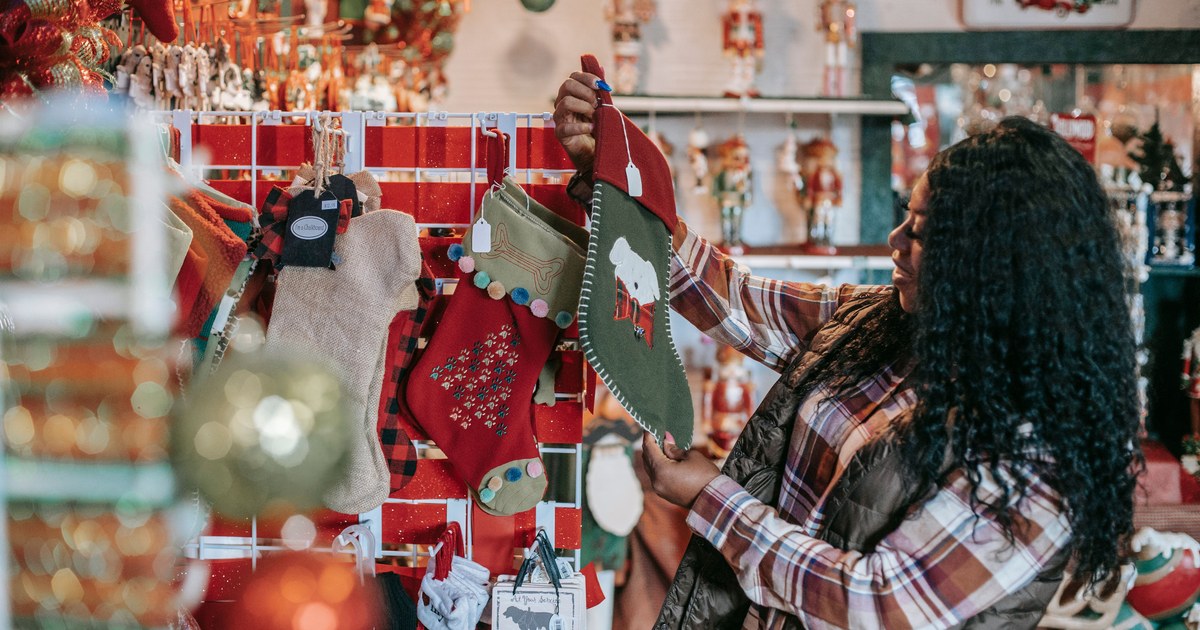
Independent U.S. retailers are planning sales, customer outreach and neighborhood events for Small Business Saturday on November 28. A November 5 report from the National Retail Federation describes how several shop owners are preparing, while the group's latest holiday research points to shoppers balancing community support with household budgets.
One in five holiday shoppers plan to buy gifts and other holiday items from small or local businesses, according to NRF's October Holiday Consumer survey, conducted by Prosper Insights & Analytics. Among shoppers who plan to use those businesses, 71% cite supporting their community as a reason. That percentage applies to the local-shopping group, rather than to all holiday shoppers.
Local appeal meets price pressure
In a separate November 4 analysis of the same survey, NRF says more than three-quarters of holiday shoppers are considering ways to cover seasonal costs. Cutting back on non-holiday spending, cited by 32%, is the most common approach in that report. Another 22% plan to buy fewer things for themselves.
The October 20 survey release adds context: 56% of holiday shoppers say the economy will affect their spending plans. Among that group, 43% expect to look for sales more often and 31% plan to compare prices online more often. These findings describe intentions collected in early October, not completed November purchases.
For a small retailer, the practical challenge is to explain both why an item is worth buying and how it fits a customer's budget. A local connection can give someone a reason to visit. A clearly priced, available gift can help them decide what to buy once they arrive.
What retailers are planning
NRF's November 5 article offers examples rather than a comprehensive survey of store strategies. Proof Culture in Cleveland plans a sale supported by customer emails and social posts. Klem's in Spencer, Massachusetts, plans pop-ups with other local businesses. Reed Leather in Detroit is working on product information and online visibility.
Those examples suggest several possible approaches, but the report does not measure which will generate the most sales. Each store still has to match its plans to its customers, staffing and stock.
A useful plan for the next three weeks
Start with a small gift selection at clearly marked price points. As a planning exercise, an owner might choose three ranges that fit the store's actual inventory and margins. Explain what each item includes, whether gift wrapping costs extra and when an order can be collected. Make those details consistent across the shelf label, website and customer email.
If a promotion is part of the plan, calculate its economics before advertising it. Start with the selling price after any discount, then subtract the product cost, payment fee and any packaging or delivery expense. A bundle can simplify gift buying, but it should not obscure the price or leave the shop fulfilling orders at a loss. This is an editorial planning suggestion, not a prediction about any retailer's results.
Give customers a specific reason to put the visit on their calendar. That could be a product demonstration, a maker's appearance or a small collection available for pickup. Confirm hours, capacity and partner arrangements before promoting an event. An accurate short announcement is more useful than a broad promise the team cannot deliver.
Prepare staff for the questions that tend to stop a purchase: Is the item available? Can it be held? What is the return policy? Will it arrive in time? Keep the answers easy to find, including any exceptions for personalized or discounted goods.
Measure the result beyond the day's sales
After the event, compare revenue with discount costs, extra labor and unsold stock. Record which offers drew questions and which products customers asked for but could not find. If customers choose to join an email list, explain what they will receive rather than adding them automatically.
The next few weeks offer room to make those decisions before the busiest days arrive. The survey supports paying attention to value and local relevance. It cannot establish what a particular shop will sell or how much inventory it should order.
About the research
NRF is a retail trade association. Its survey asked 8,094 adults about holiday shopping plans from October 1–7, 2026, with a reported margin of error of plus or minus 1.1 percentage points for the survey overall. The November 4 and 5 articles draw on that October research. The U.S. Small Business Administration lists Small Business Saturday as November 28, 2026.
Sources
- NRF: How small retailers are preparing for Small Business Saturday. Published November 5, 2026. Accessed November 9, 2026. https://nrf.com/blog/how-small-retailers-are-preparing-for-small-business-saturday
- NRF: How holiday shoppers plan to manage costs. Published November 4, 2026. Accessed November 9, 2026. https://nrf.com/blog/how-holiday-shoppers-plan-to-manage-costs
- NRF: October Holiday Consumer survey release and methodology. Published October 20, 2026. Accessed November 9, 2026. https://nrf.com/media-center/press-releases/affordability-shapes-winter-holiday-shopping-according-to-nrf-holiday-survey
- U.S. Small Business Administration: Small Business Saturday. Accessed November 9, 2026. https://www.sba.gov/about-sba/organization/observances/small-business-saturday
The editorial text contains no affiliate links. Separately labeled advertisements may include affiliate links; see the disclosure in the site footer. Commerce News Network does not guarantee income, employment or business outcomes.